Supported Living: Putting the Person at the Centre of Housing, Care and Support
At the centre of every supported living arrangement is a person who needs both a suitable home and support to live their life as independently as possible.
Don’t invest unless you’re prepared to lose money. This is a high-risk investment. You may not be able to access your money easily and are unlikely to be protected if something goes wrong. Take 2 mins to learn more.

Don’t invest unless you’re prepared to lose money. This is a high-risk investment. You may not be able to access your money easily and are unlikely to be protected if something goes wrong. Take 2 mins to learn more.

At the centre of every supported living arrangement is a person who needs both a suitable home and support to live their life as independently as possible.

One of the most misunderstood aspects of supported living property investment is valuation.

Property has created substantial wealth over generations, but rarely overnight. When an investment promises a return of 12%, 15% or even more a year, the most useful question is not “How much could I make?” but “What risks are that extra yield hiding?”

Gilt yields can help explain why Exchange prices sometimes move independently of property valuations and why periods of market volatility can create attractive buying opportunities for long-term investors.

We’ve improved our property valuation metrics.

Why the social housing sector is designed to protect homes, tenants and long-term investors.
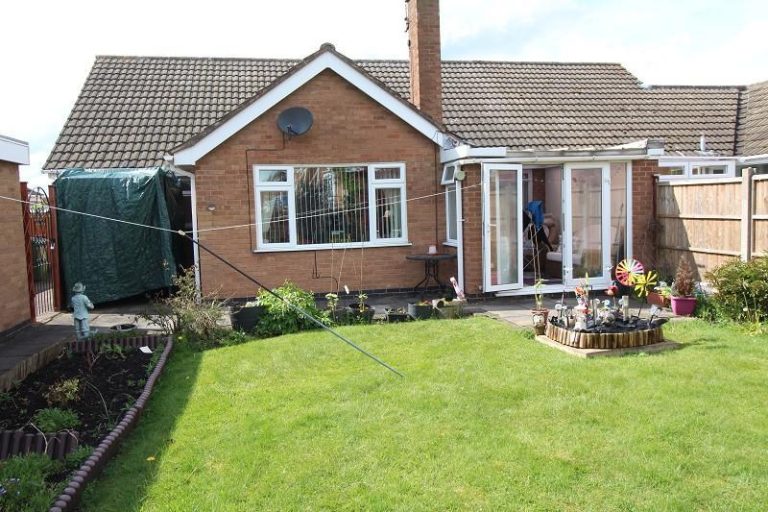
Launched on the Exchange in 2021, Abingdon Way is bungalow with a strong yield in partnership with Golden lane Housing
How does our proprietary, multi-factor risk framework operate, and how does it evaluate the fine margins of our risk spectrum?

Driven by a decades-long government policy shift away from institutional care toward community-based independent living, supported housing has transitioned into a highly sophisticated, institutional-grade asset class.
Stay up-to-date with the latest insights and property announcements